Pfanne
From neolithic pickaxe to state-of-the-art process technology

White gold, eternal heritage

7,000 years of salt history in the Salzkammergut

In the beginning was salt.

No mineral has shaped a region as profoundly as salt has shaped the Salzkammergut. Salt has been mined here since the Neolithic period. The roots of Salinen Austria AG date back to the year 1311. America had not yet been discovered when the operation was first documented here. What has changed is the method. What has remained are the deposits.

Overview of Austria's legendary salt history

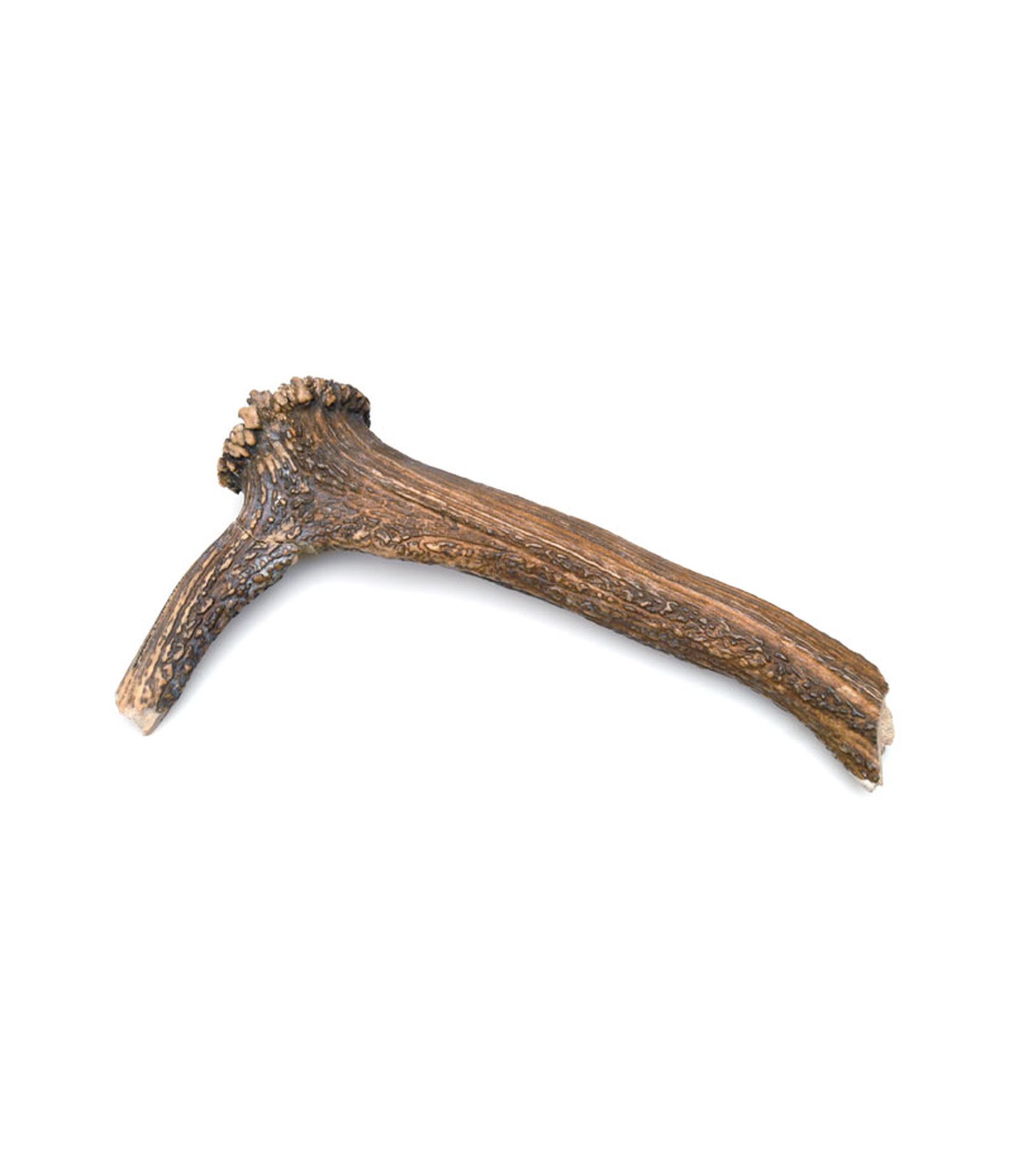
Hirschhornpickel

Neolithic

As early as 4500 BC, people settled in the Hallstatt salt valley, attracted by saline springs. A pickaxe made of antlers and stone axes prove the earliest mining attempts. The area is high, remote, and hard to access. However, the abundance of salt is reason enough for a first settlement. Salt mining in Hallstatt has thus been continuously documented for over 7,000 years, making Hallstatt the oldest active mining site.
Abbau Hallstatt Bronzezeit

Bronze Age

In the Bronze Age (1390–1020 BC), mining reached its first heyday. The salt from Hallstatt supplied large parts of Europe. Archaeological finds prove an extensive long-distance trade, making Hallstatt the first industrial center in Europe. The mining developed into a highly organized, underground large-scale operation.

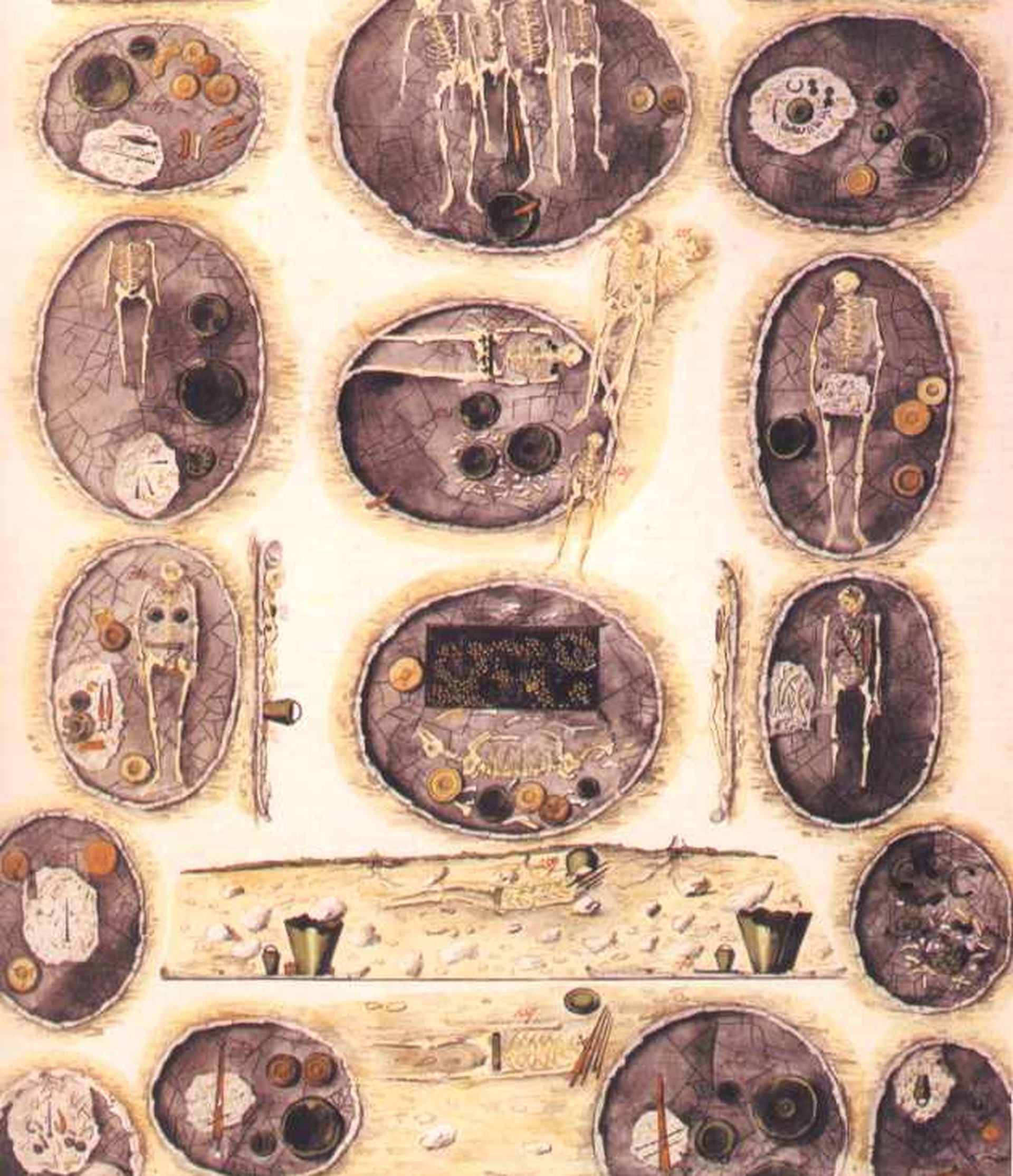
Gräberfeld

Hallstatt period

From the Hallstatt period (900–400 BC) onwards, construction went deeper: heart-shaped grooves were cut into the salt deposit, heart pieces weighing up to 30 kg were extracted and transported out of the mountain. The image shows a sketched depiction of the grave field, drawn by the mining master Johann Georg Ramsauer. He discovered the Iron Age grave field by chance in 1846 and subsequently documented over a thousand graves. This laid the foundation for archaeological research around the salt mountain.

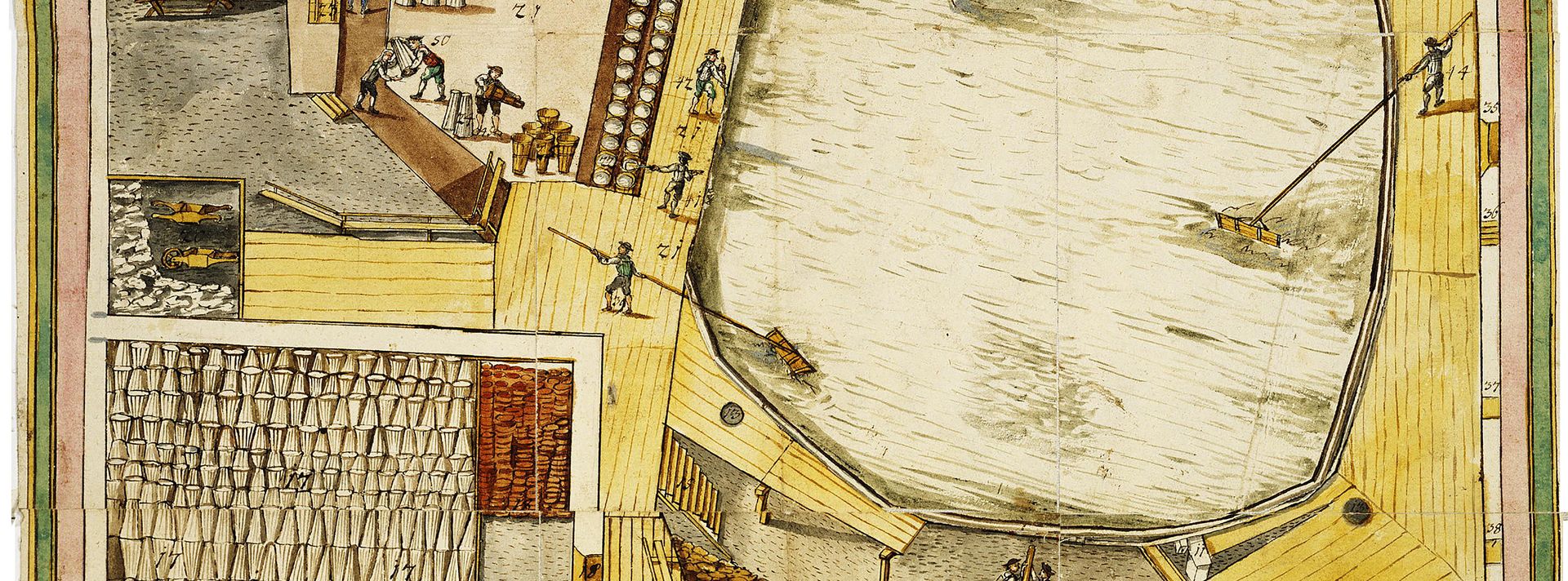
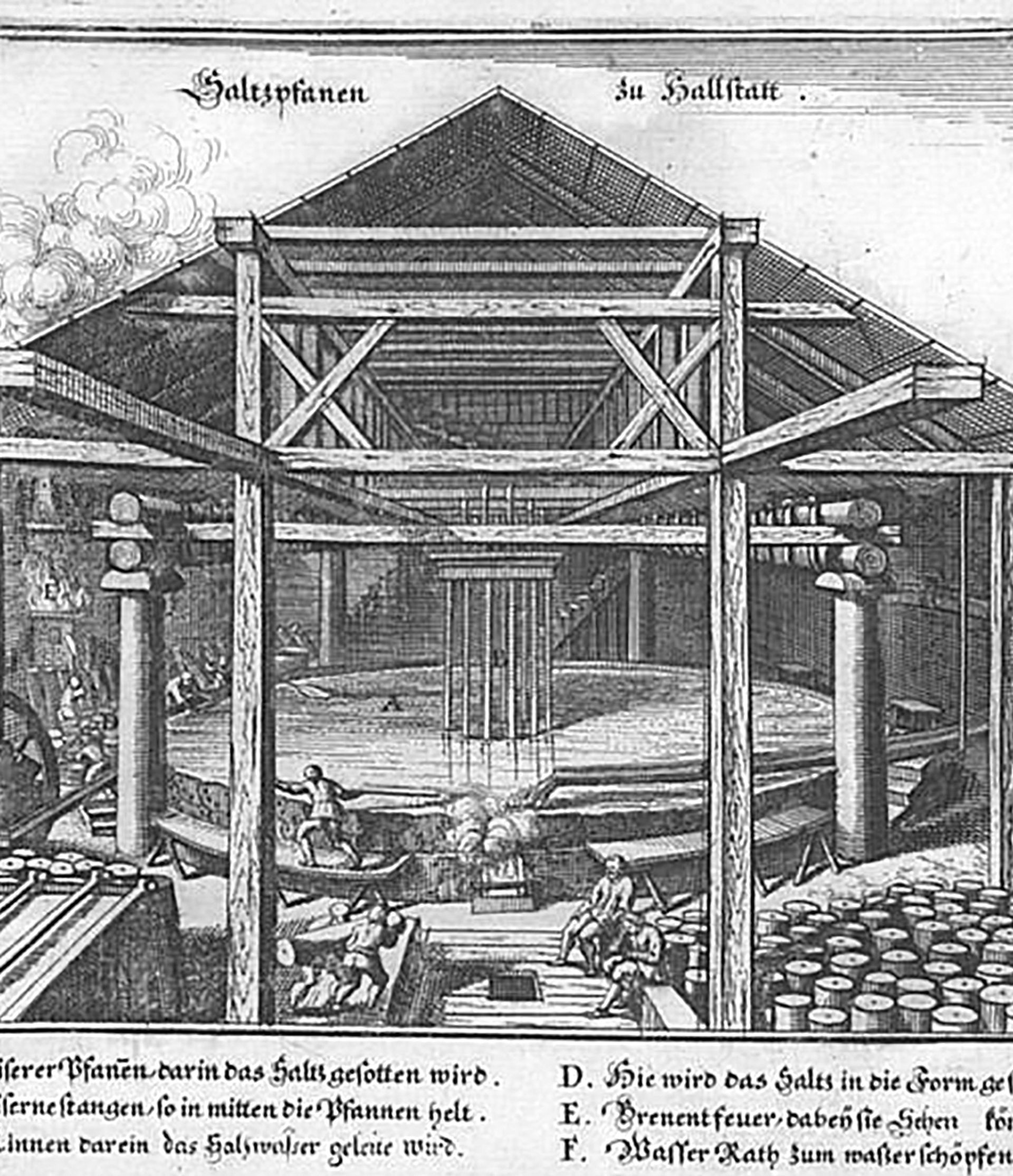
Salzpfanne Hallstatt

Middle Ages

In the Middle Ages, a decisive change took place: from dry to wet mining. Cavities were created in the salt deposit, filled with water, and the resulting brine was diverted through wooden pipes. From the 13th century, the brine was then processed into salt in large boiling pans.

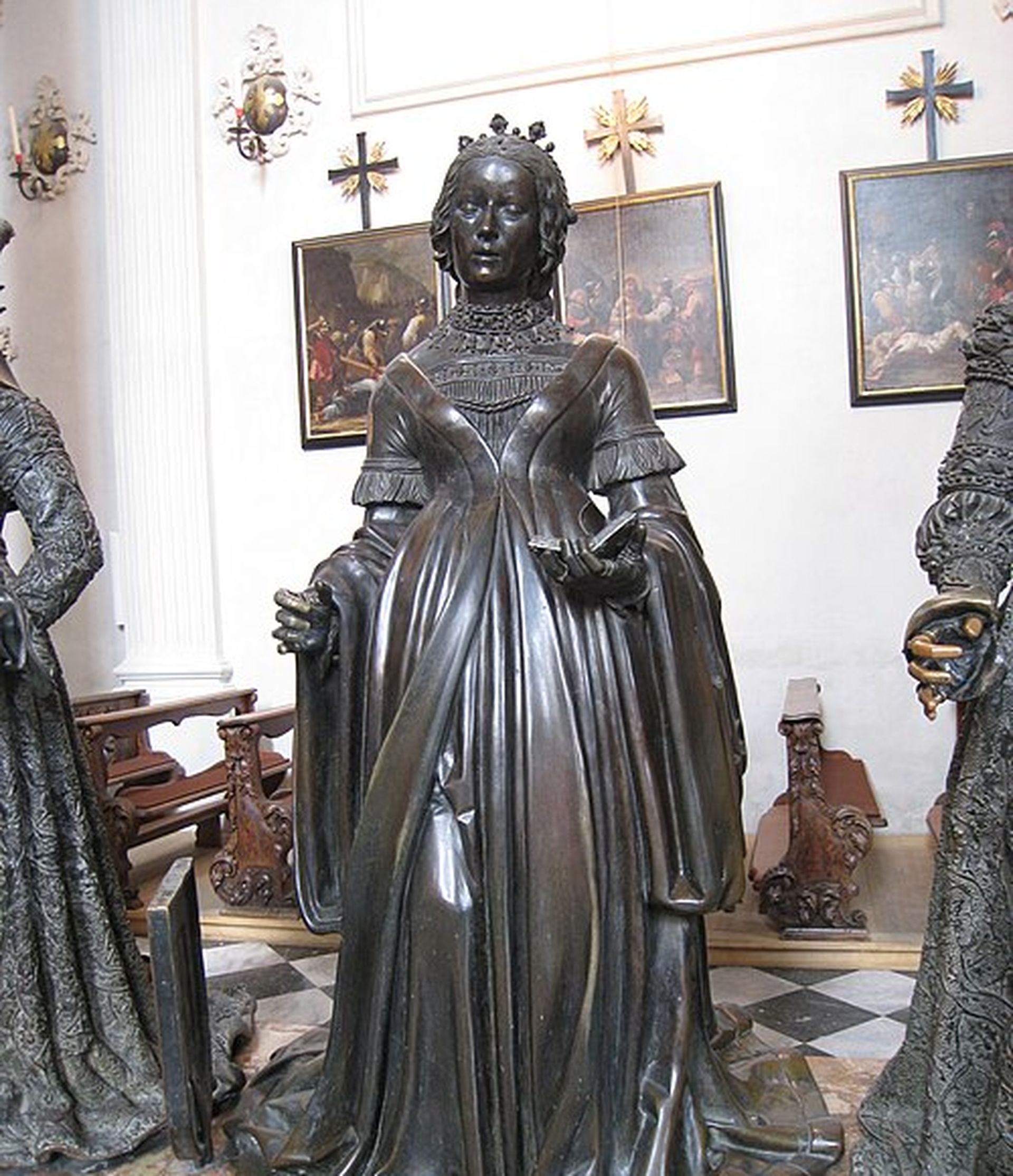
Elisabeth von Götz Tirol

Queen Elisabeth of Gorizia-Tyrol

Queen Elisabeth of Gorizia-Tyrol (circa 1262–1313) gave decisive impulses to salt mining in Hallstatt from 1311 onwards. She introduced modern wet mining: salt was dissolved from the rock with the help of water as brine and led into the valley. At the same time, she placed salt production under sovereign control, laying a foundation for the later salt monopoly. With market rights for Hallstatt and the "salt finishers," she also strengthened trade and export.

Friedrich III

Emperor Frederick III

Emperor Frederick III (1415–1493) established important foundations for the state organization of salt production in 1449. He combined the previously fragmented salt works and mines under sovereign administration, securing the Habsburg salt monopoly. The "white gold" became a significant source of income for the crown. In 1466, Frederick III also granted Bad Ischl market rights, thereby strengthening the economic area of the Salzkammergut.

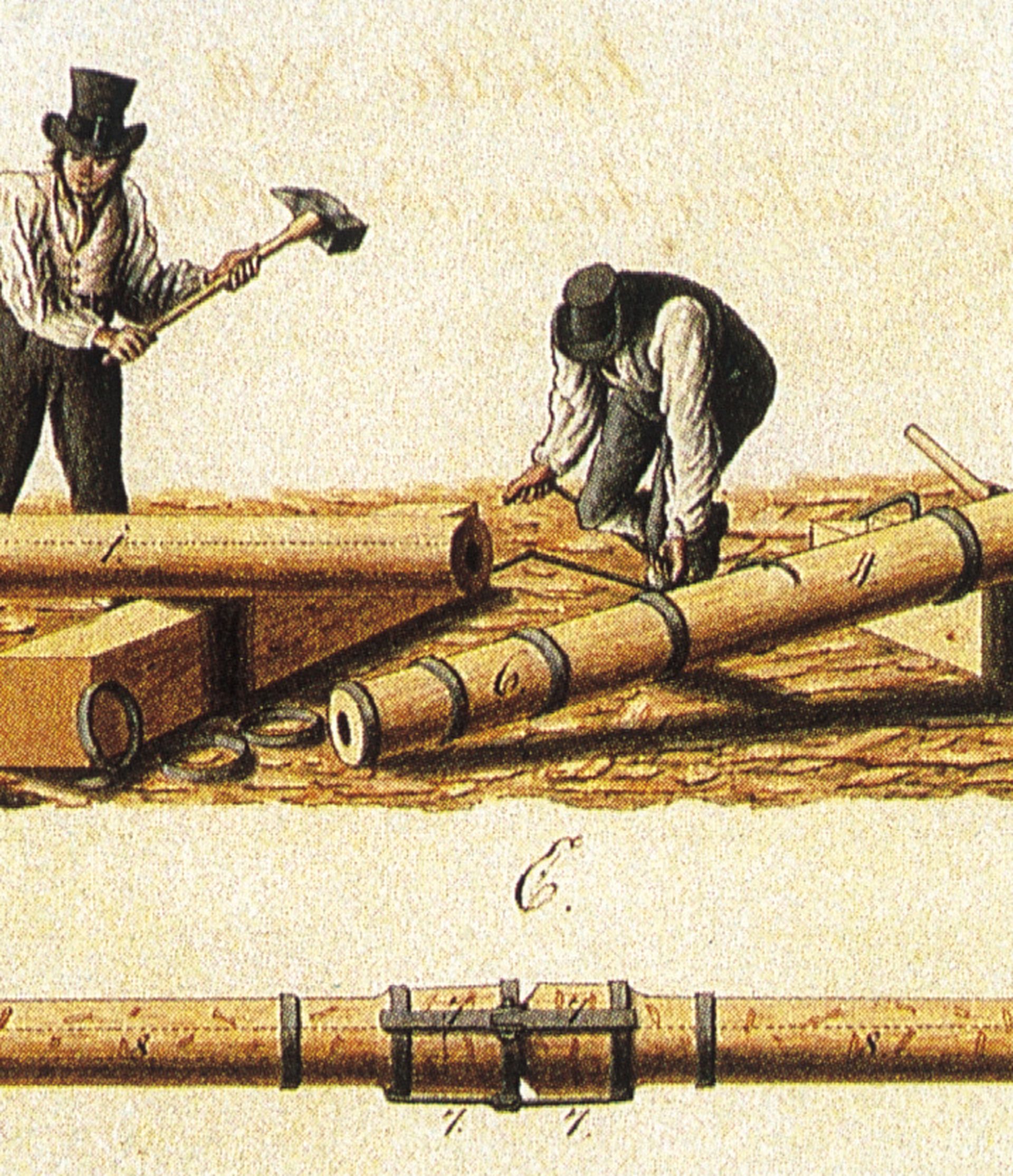
Soleleitungsbau

The world's oldest pipeline

When wood for boiling salt became scarce in the Hallstatt high valley, it was decided under Emperor Rudolf II to convey the brine via a pipeline to Ebensee instead. From 1595–1607, around a 40-kilometer-long pipeline was constructed. It consists of 13,000 hand-hollowed tree trunks. Daring pipe bridges were built to overcome gorges like the Gosauzwang. The route is still used today with modern pipes.

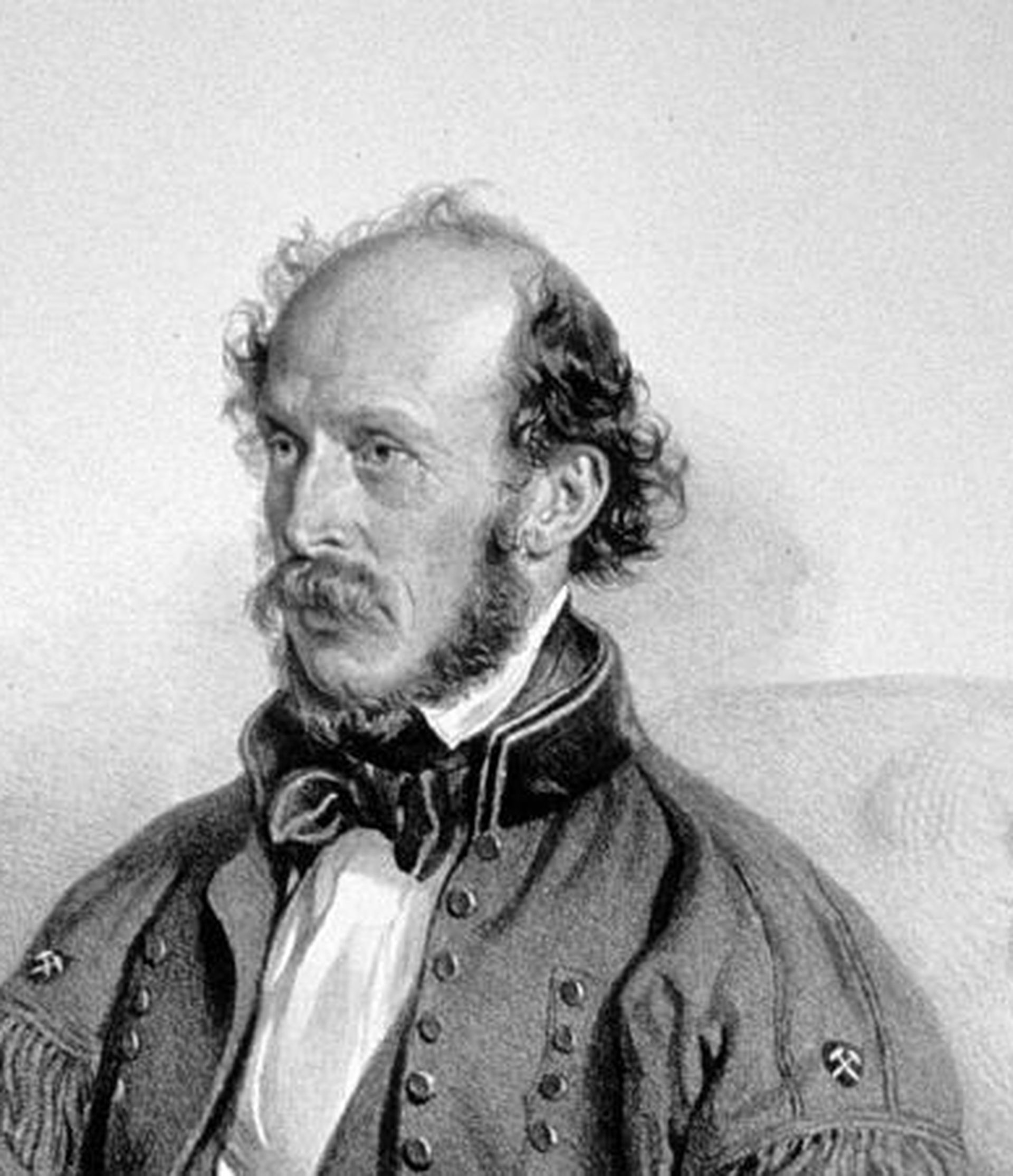
Peter Ritter von Rittinger

Peter Ritter von Rittinger

Peter Ritter von Rittinger (1811–1872) developed in 1853 an evaporation process for brine with the aim of saving energy: The plant compresses water vapor to reuse the heat. In 1857, the first functional heat pump in the world's salt works went on trial operation in Ebensee. Rittinger's work in Ebensee is considered the birth of modern heat pump technology.

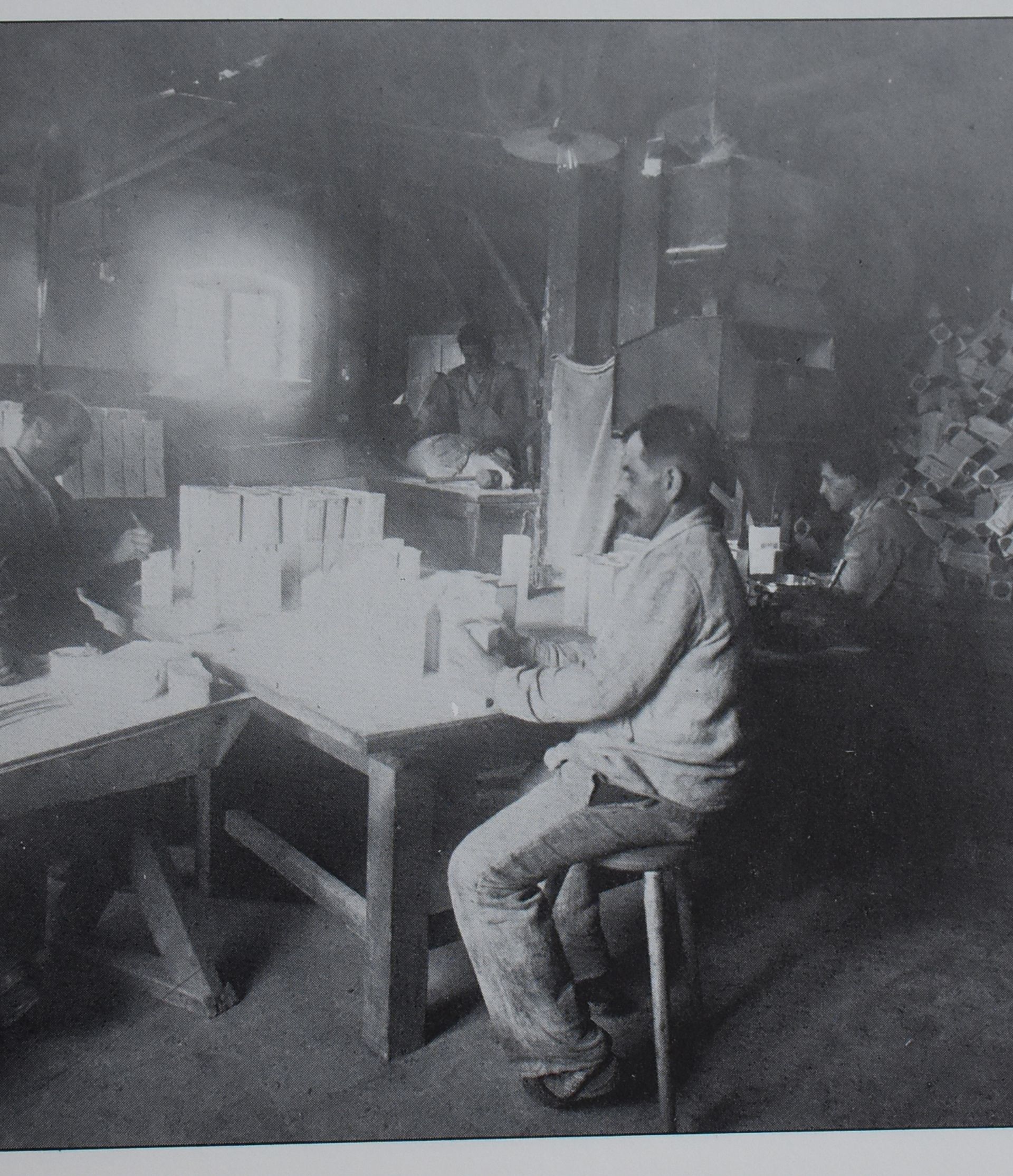
Abpacken 1903 Speisesalz

An icon goes into production

In 1903, our first table salt came to market, still manually packed in 1-kg packages. However, demand quickly rose, so in 1928, the shift to machine packing took place. With the table salt, the mother brand of table salt was produced, soon conquering Austrian kitchens...

Thermokompression

Crystallization

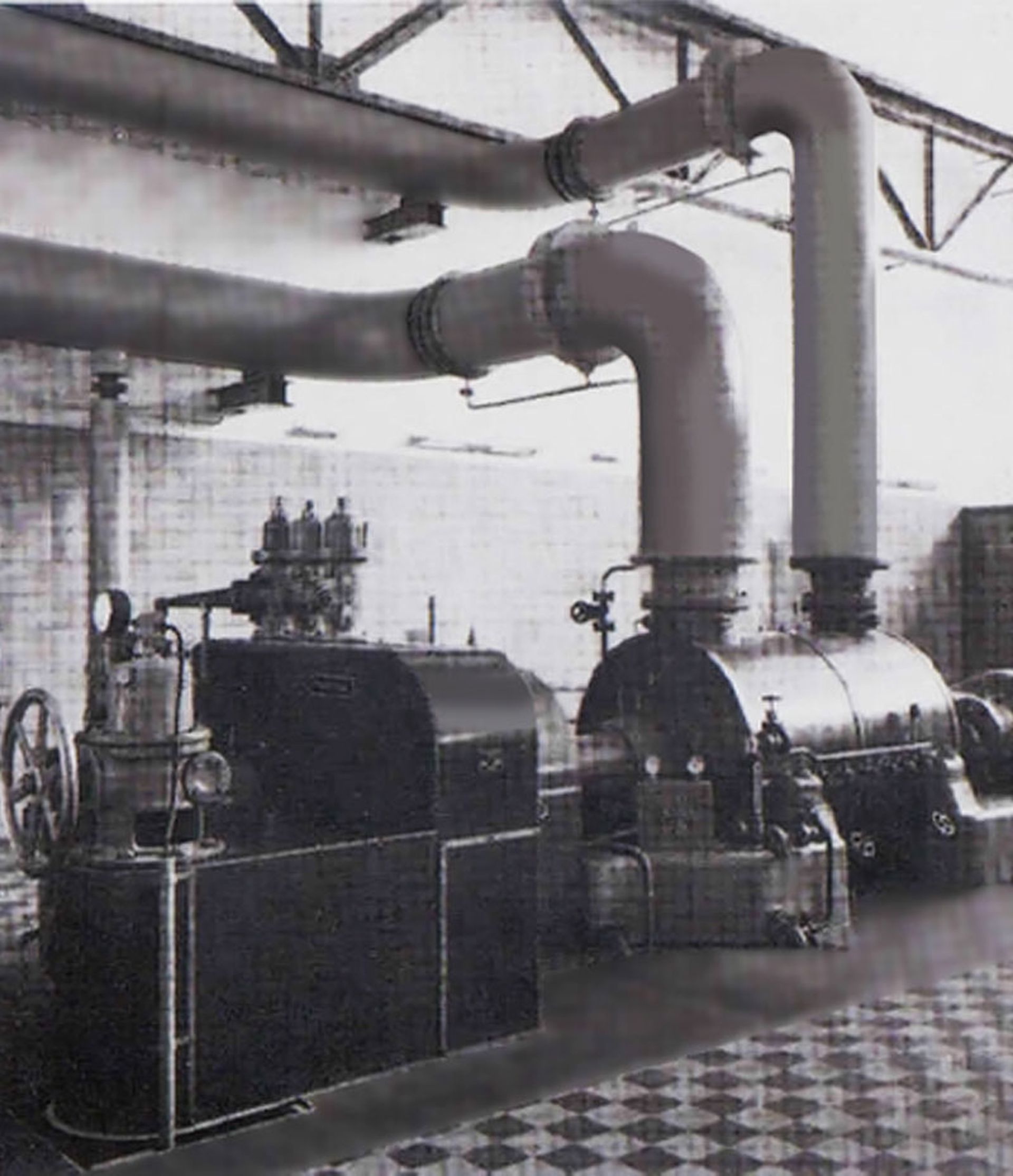
In 1951, the thermocompression process (crystallization) was successfully implemented in Ebensee for the first time. The underlying principle is based on Rittinger's heat pump technology.

BAD ISCHLER 1957

BAD ISCHLER Salt

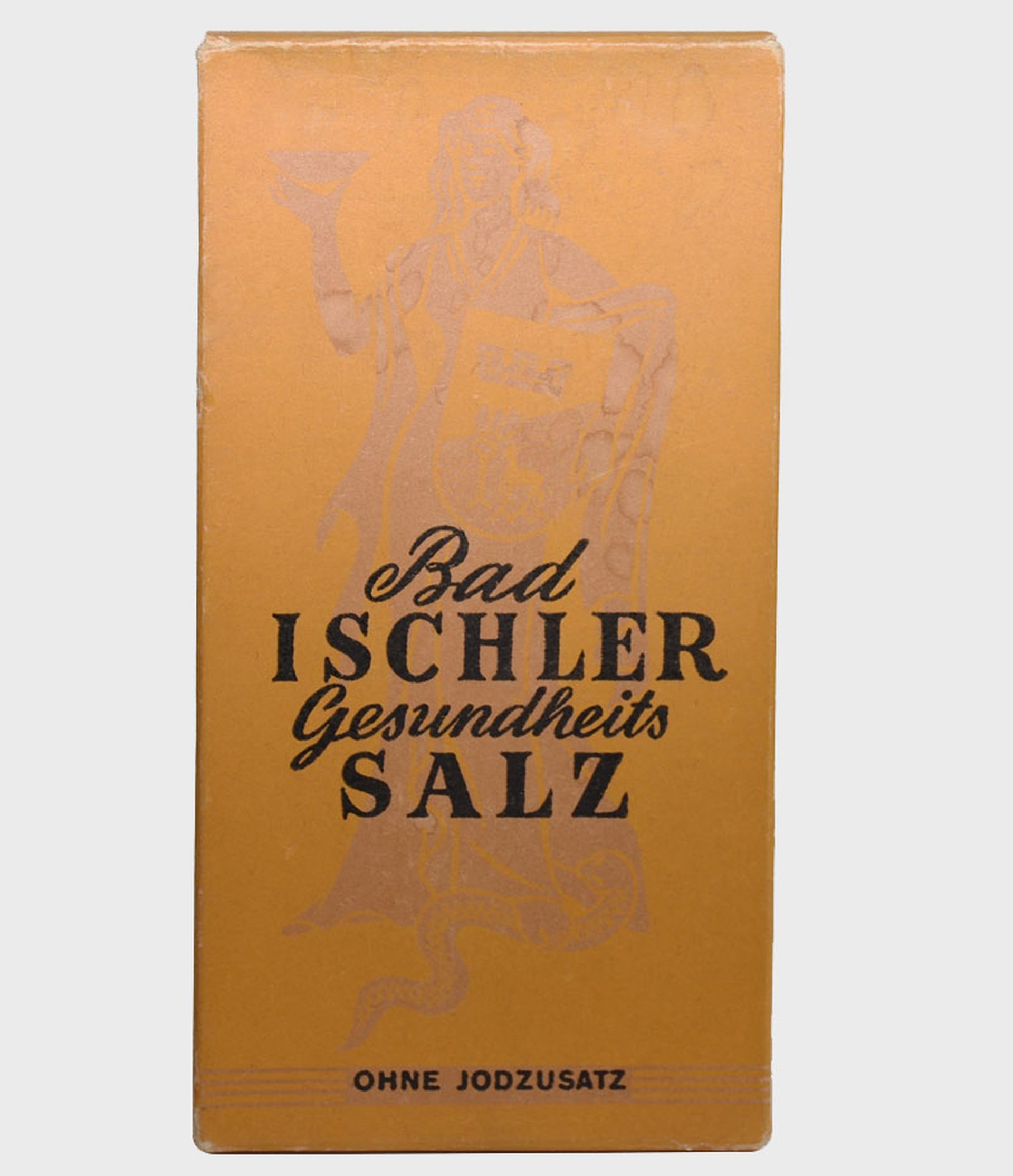
In 1957, our BAD ISCHLER health salt came into the food trade in a yellow folding box. Today, BAD ISCHLER is Austria's most famous table salt brand, also available in select markets in the Czech Republic and Slovakia. With BAD ISCHLER natural salt and BAD ISCHLER Salzzart (introduced in 2021), we also offer salt specialties in the assortment, sometimes exported as far as South Korea and the USA.

HS Borhlochsonde Vortrieb hoch

Borehole probe technology

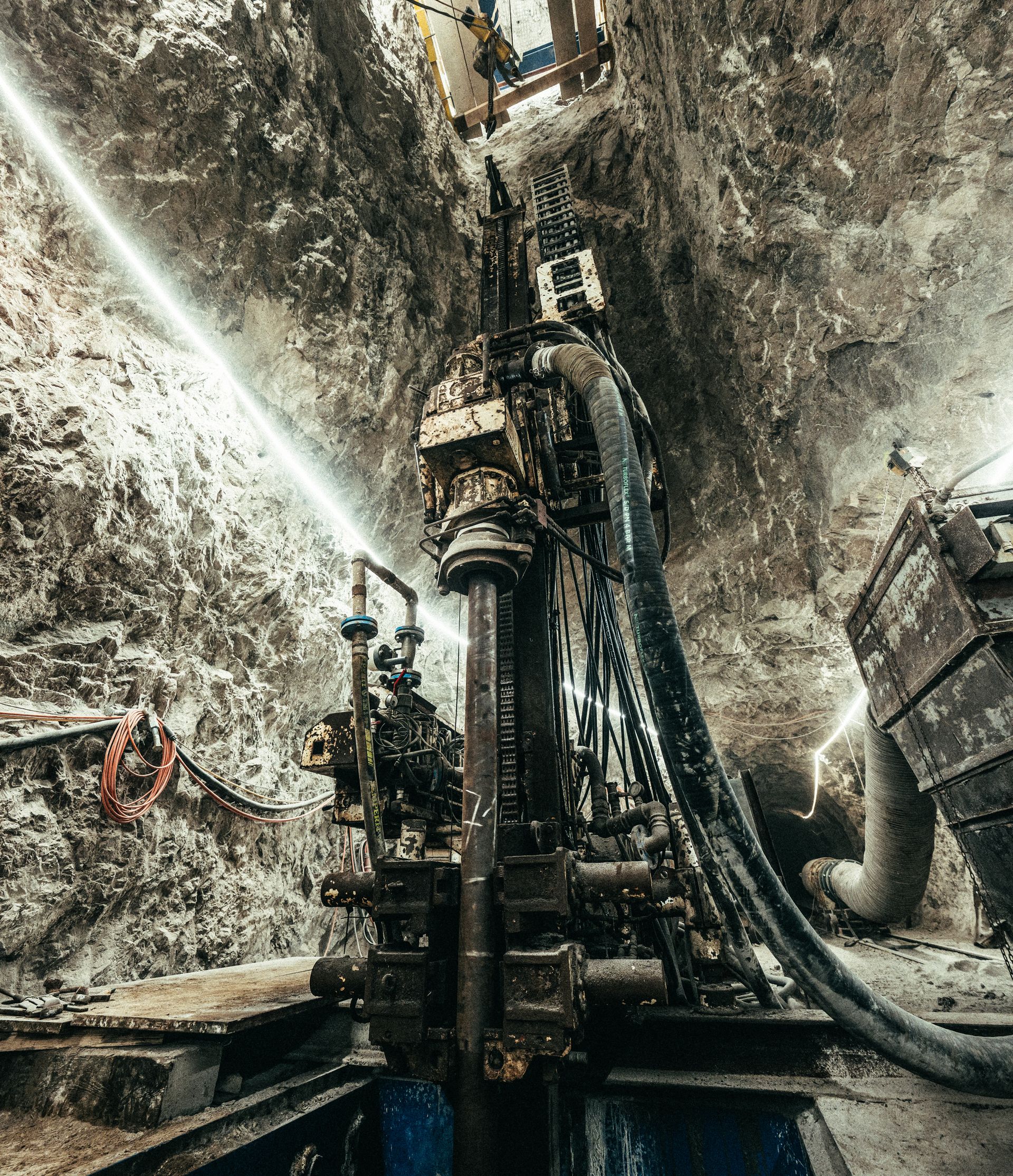
From 1971, borehole probe technology led to an immense increase in efficiency: Water was pressed directly into the salt-containing rock through deep drilling and pumped out as brine, making highly demanding tunnelling redundant. Because cavities are controlled with high precision, the technology minimizes the risk of subsidence and protects miners from hazards in the mountain.

1976 Spatenstich Steinkogel

Groundbreaking and privatization

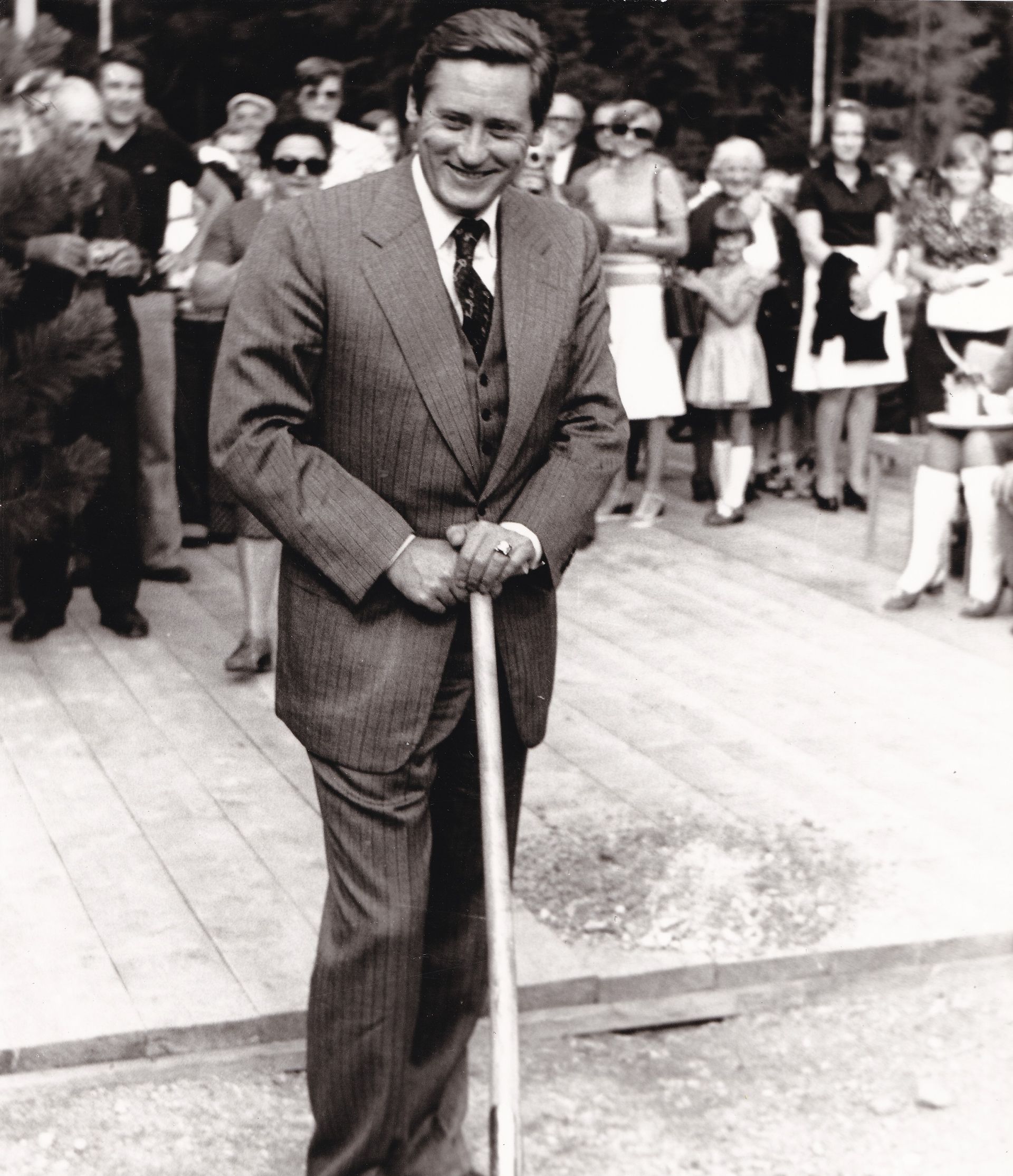
In 1976, the groundbreaking ceremony for the new saltworks at the current location in Steinkogel was performed by then Finance Minister Dr. Hannes Androsch. On January 1, 1979, the Austrian Salinen AG was established as an independent stock corporation. After EU accession in 1995, the previous salt monopoly was abolished; in 1997, privatization followed.

Neues TG

State-of-the-art process technology

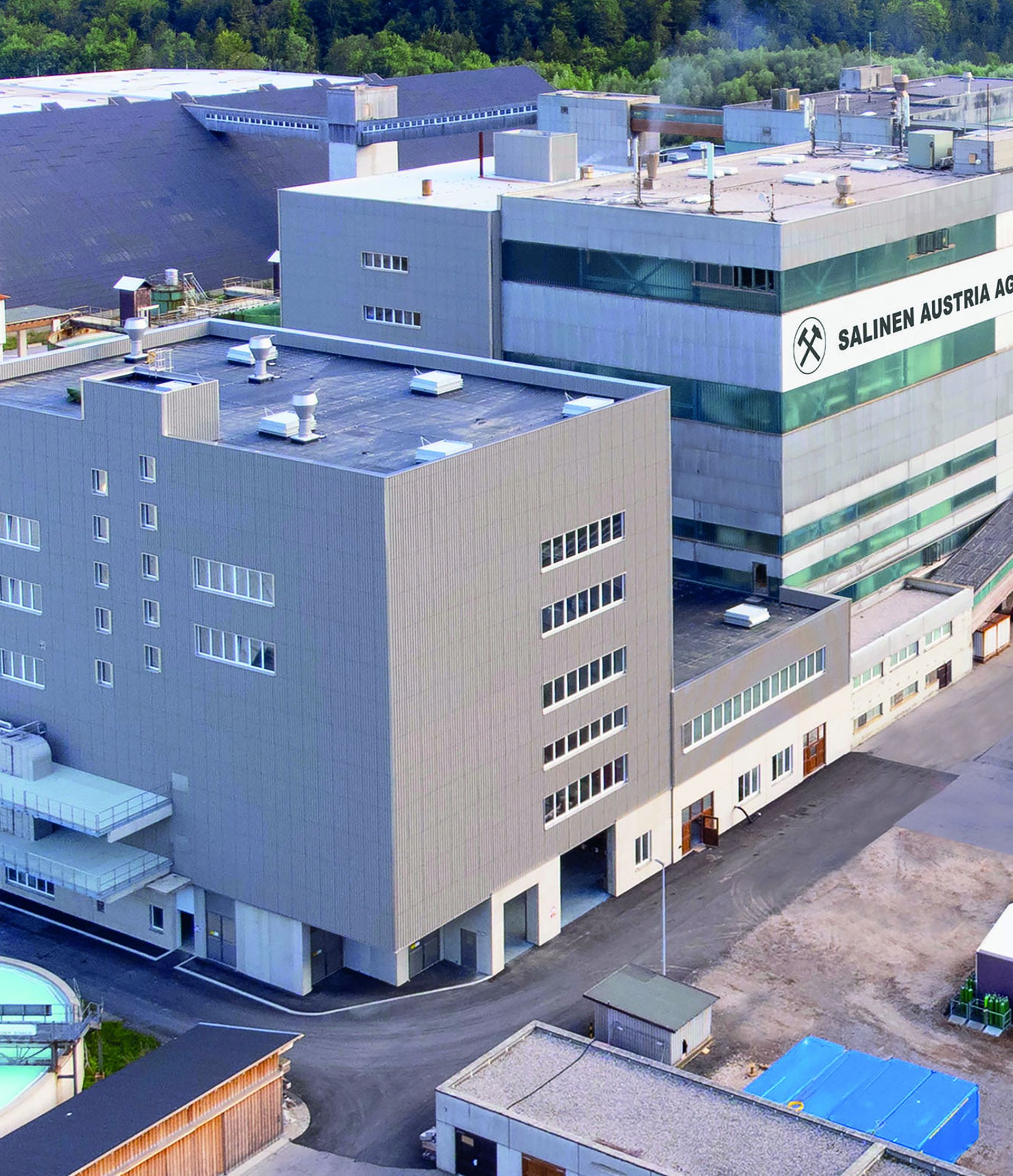
In 2022, the drying building in primary production went into operation, enabling flexible, weather-independent production of dry salt. Thus, we can precisely control the production of wet salt (such as road salt) and strategically shift the focus to high-margin, refined specialty products like pharmaceutical salt or salt tablets. Fully automatic process technology also ensures highly efficient and future-proof production.

Want to know more?

Then discreetly follow us on our blog Experience salt!

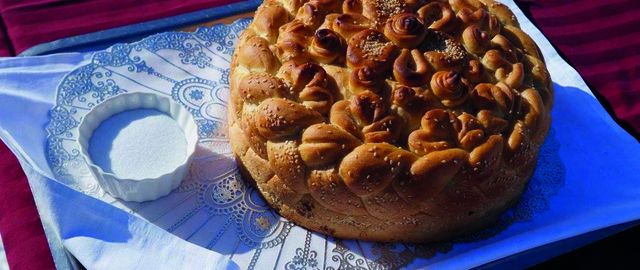
  • Pogaca
    Salinen Beograd – salt trading with tradition

    Salinen Beograd has been part of Salinen Austria Aktiengesellschaft since 2010, and Dubravka Savicic has managed the Serbian subsidiary ever since. Salinen Beograd sells around 25,000 tonnes of salt a year, about half of which is table salt. We asked Dubravka Savicic about the salt business in Serbia, coaxed a few cultural peculiarities out of her and learned interesting details about Serbian salt history.

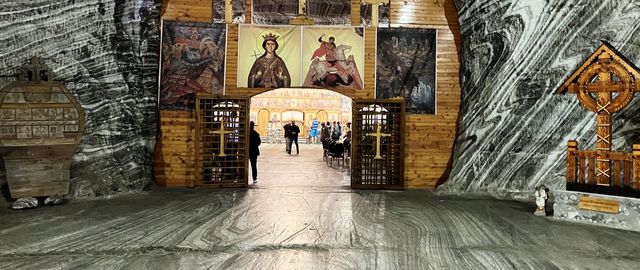
  • Salzwelten Ocnele Mari Rumänien
    Romania. On the trail of salt.

    Adrian Furnica from Salinen România talks about the salt business in Romania and surprises us with insights into the country's salt history.

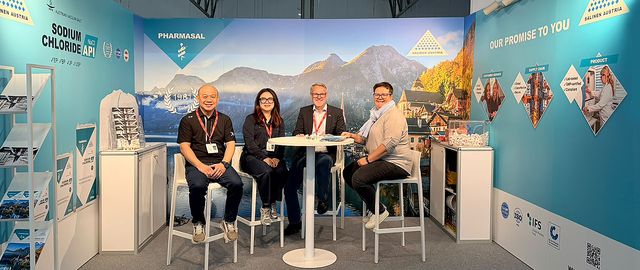
  • Pharmasal
    54 meetings and plenty of pharma expertise

    Packed aisles, international contacts and intensive talks: CPHI in Milan from 6 to 8 October brought together more than 62,000 trade visitors and over 2,400 exhibitors from more than 160 countries.

Experience salt
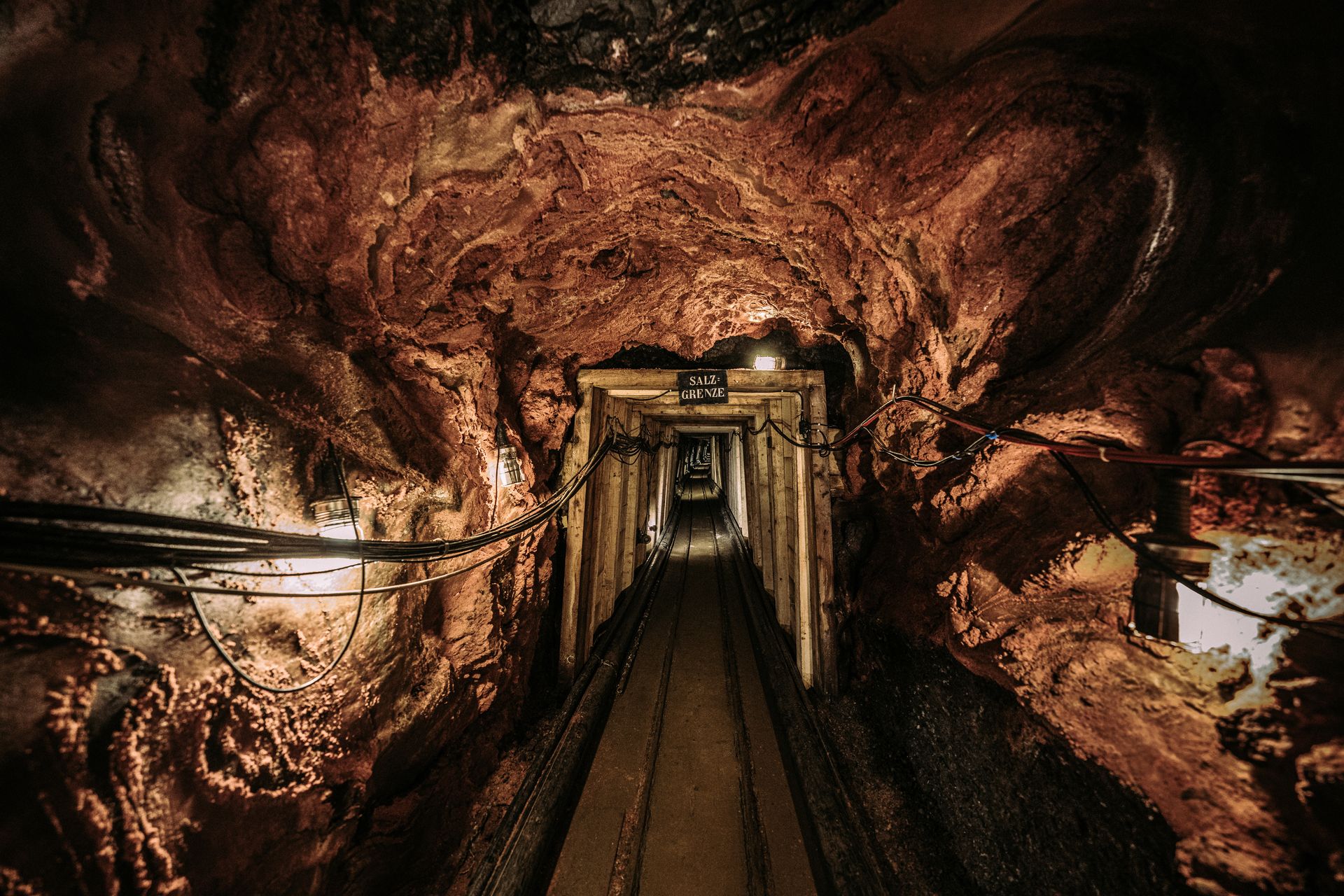
Salzgrenze
Salzwelten

Experience Salt Up Close

The Salzwelten in Hallstatt, Altaussee, and Hallein bring the history of salt mining to life right on site.

Visit the Salzwelten