
Salinen Beograd – salt trading with tradition
Salinen Beograd has been part of Salinen Austria Aktiengesellschaft since 2010, and Dubravka Savicic has managed the Serbian subsidiary ever since. Salinen Beograd sells around 25,000 tonnes of salt a year, about half of which is table salt. We asked Dubravka Savicic about the salt business in Serbia, coaxed a few cultural peculiarities out of her and learned interesting details about Serbian salt history.
Dear Ms Savicic, thank you very much for taking the time to answer our questions. How did you actually end up working in salt?
I took my very first professional steps in the salt business and have remained loyal to it throughout my working life so far. I started my career as a junior sales manager at a salt importer. Today I manage the Serbian subsidiary of Salinen Austria AG, Salinen Beograd.
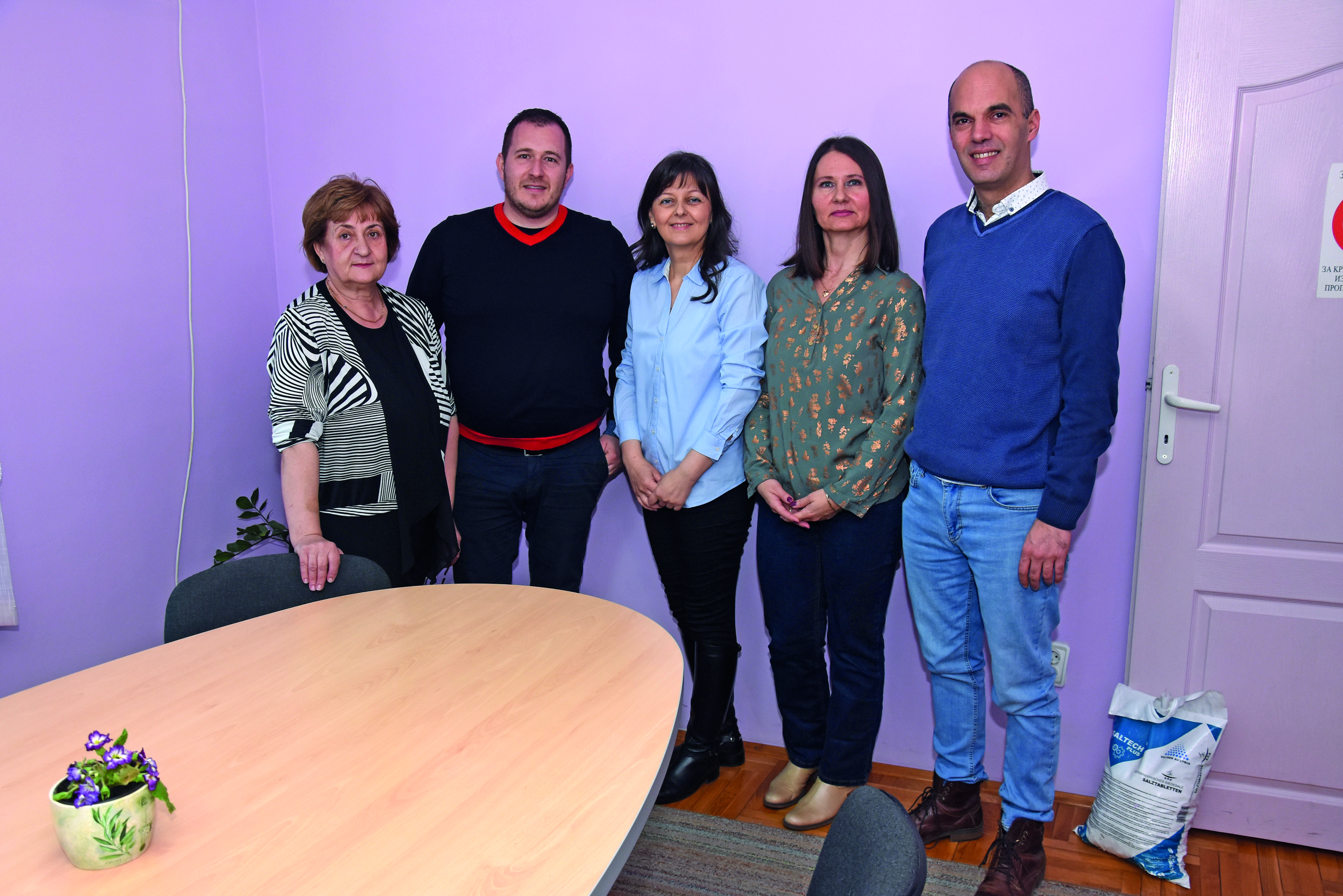 (from left to right) Smiljana Pavlovic, Zoran Pavlovic, Dubravka Savicic, Tatjana Radulovic, Petar Kosevic
How long has Salinen Beograd existed?
Salinen Beograd started operating on 15 April 2010. Twelve challenging but good years are already behind us! We started as a small team of three employees and were able to expand our market position so well that we were soon able to hire two more colleagues. Today we export our salt as far as Montenegro.
Who are the largest salt buyers in Serbia?
The international group Nestlé is one of our largest customers, but local food industry companies such as Yumis and Mitros are also among them. We also supply our salt to the Serbian salt producers Dinara AD, Inter-Komerce and Bvg Komerc, which then use it to make table salt. The companies Maša komerc and Euroni, which iodise and package our salt, are also among our regular customers.
Beyond that, we also have more than 500 buyers, most of whom run small corner shops. And in cooperation with two other suppliers, we also supply salt to FTL customers, most of them international companies.
What is the price level for salt in Serbia?
There are three types of salt on the Serbian market: evaporated salt, rock salt and sea salt. Of course, in Serbia too only the purest evaporated salt of the highest quality is used for table salt. Despite strong competition from the Bosnian saltworks in Tuzla, we have managed to keep the relatively high price level on the Serbian salt market stable.
Where do you see development potential for Salinen Beograd?
In Serbia we have a growing market for water softening systems. We are currently the market leader in Serbia in supplying salt tablets for water softening. Of course, we want to stay that way, so in future we will place a stronger focus on supplying the Serbian market with high-quality salt tablets.
What are important factors for your success?
Logistics is crucial for us. Beyond that, however, the navigability of the Danube plays the most important role: it was, is and will remain the most efficient way of delivering salt to Serbia.
Is there a special Serbian salt or a special Serbian seasoning salt?
Yes! In Serbia we have a mixture of salt with dried carrots and parsley, which we call začin. You can see začin in almost every shop and it is very popular. There are several začin producers in Serbia, and most of them buy our table salt. They appreciate its high quality, because salt for seasoning needs to be as dry as possible so that it doesn't clump – and our grain size also makes the salt perfect for seasoning salts.
People in Serbia like their food saltier than in Austria or Western Europe. Many households still pickle and ferment vegetables and meat themselves. Our sauerkraut salt is particularly well known beyond the country's borders.
Can you tell us a little about Serbia's salt history?
Well, other times – other stories…
In the days of Yugoslavia (1918–1991), Solana Tuzla, which is now in Bosnia and Herzegovina, provided the salt supply for the whole of Yugoslavia. Today, however, only a few people in Serbia still perceive Solana Tuzla as a domestic salt brand. Within its present-day borders, Serbia had neither its own salt mine nor any other form of salt production. In addition, Saline Tuzla AG is only around 170 kilometres west of Belgrade, and because of its geographical location Serbia is one of the main markets for Saline Tuzla AG's evaporated salt. Sea salt and rock salt, on the other hand, are imported via the Danube from Israel, Tunisia, Egypt and Turkey.
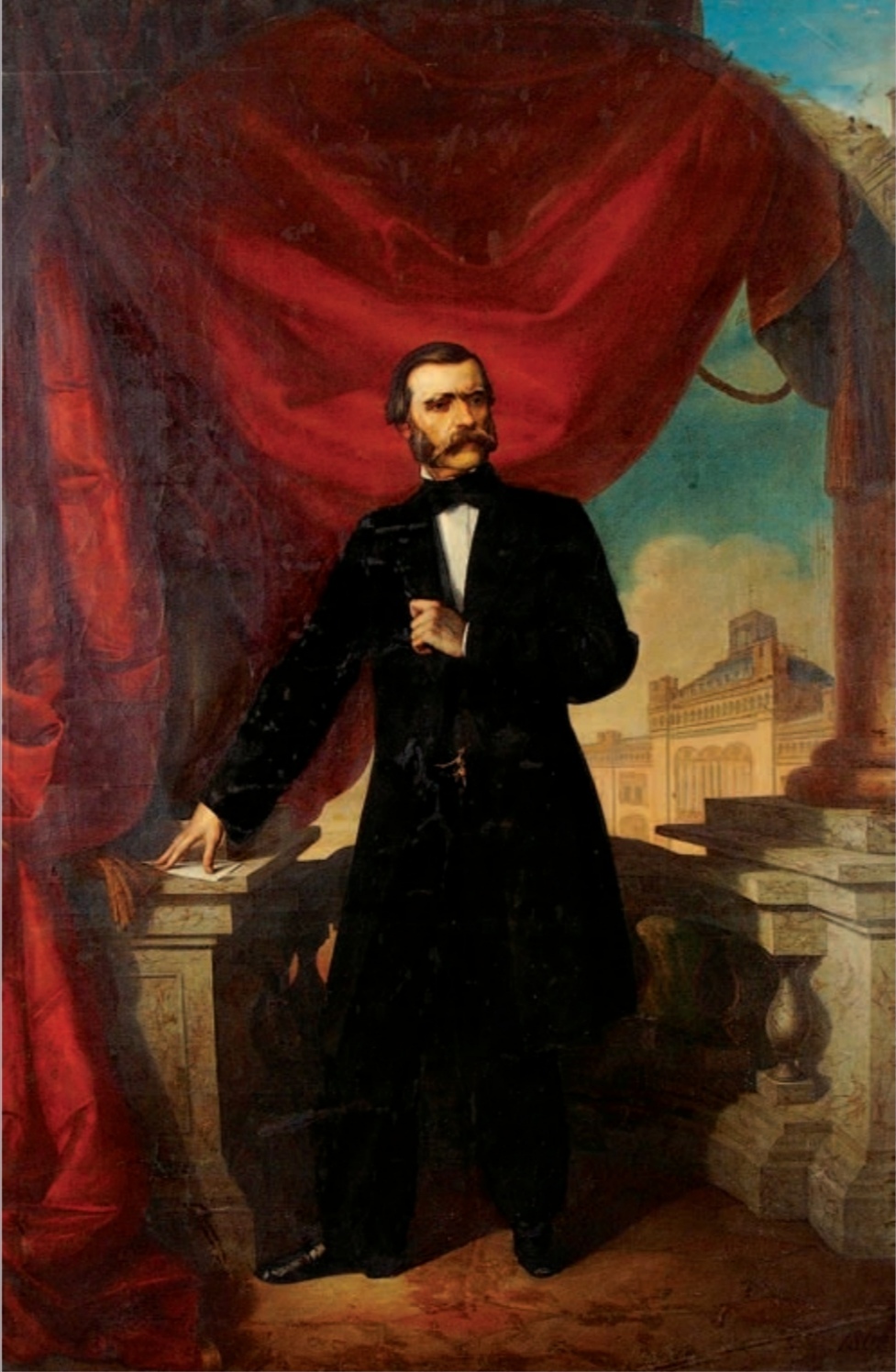 Miša Anastasijević (1803–1885)
Serbia was already successful in importing salt in the 19th century. This is shown by the story of the Serbian merchant and benefactor Miša Anastasijević (1803–1885). At the age of thirty, he received the military title of Danube captain from the Serbian Prince Miloš the Great. At the same time, he acquired important commercial rights for importing salt. This soon enabled Miša Anastasijević to secure control over salt imports from Wallachia and Moldavia. At the height of his career, he employed around 10,000 workers and his fleet numbered eighty ships. Thanks to the salt trade, he became one of the richest men in Serbia and was particularly known for his generous charity. He was also President of the Serbian National Assembly (1858–1859), and Captain Miša's Mansion still stands in Belgrade today, widely admired for its architectural elements drawn from Byzantine, Gothic and early Renaissance architecture.
Is there a special salt culture in Serbia, as we have in Austria, combined with regional customs and traditions?
Of course!
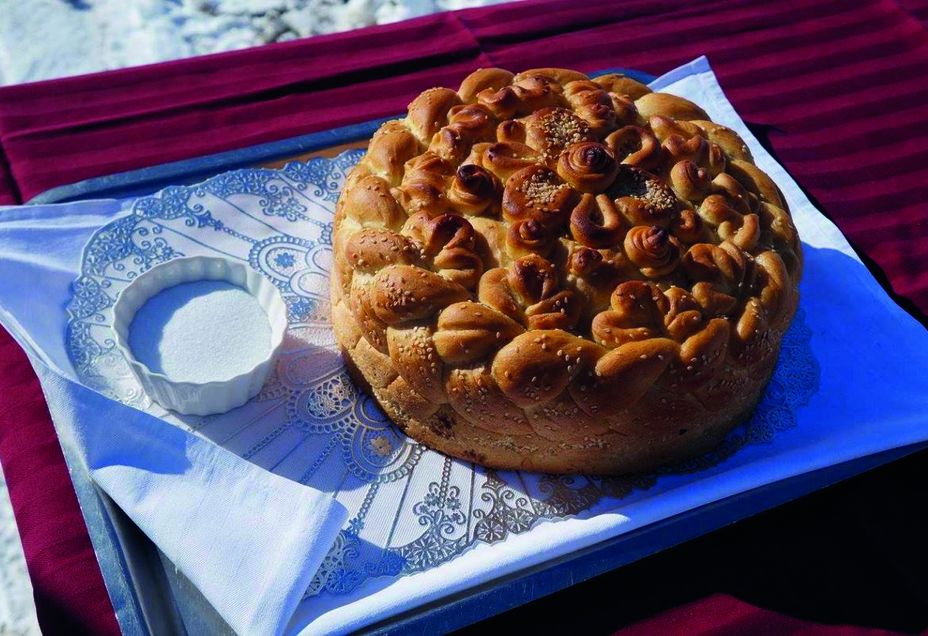
Hospitality is particularly important in Serbia, and an important national custom in this context is to welcome guests with bread and salt. The picture at the beginning also shows the typical Serbian pogača. This signals to our guests that they are welcome and safe. The bread symbolises that the guest will not go hungry in our home, and with salt we wish our guests a good life in peace and prosperity.
Welcoming guests with bread and salt is still an important part of official protocol for visits from abroad today. Serbian hospitality is held in high esteem and honoured by the Serbian people. Hence the following Serbian proverb:
“You cannot know what a man is like until you have eaten a sack of salt with him.”
Do you have a personal motto?
Hard work and effort pay off. Hard work invested in customers always brings results. Sometimes sooner, sometimes later.
Our team has been customer-oriented from the very beginning, and we receive a lot of recognition for that.