
Once a miner, always a miner
Not for the faint-hearted, but never boring: anyone who becomes a miner is not choosing an everyday job. Thomas Kainzinger offers an insight into everyday working life, the importance of camaraderie and its traditions.
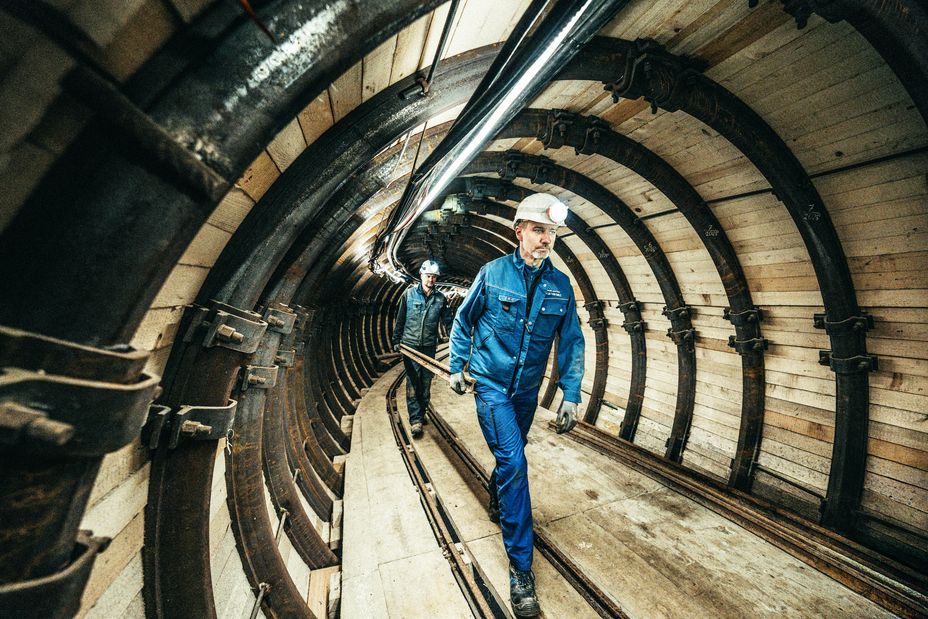
Thomas Kainzinger and his mining colleagues work beneath hundreds of metres of rock. The Altaussee native chose this profession in 2003, continuing a family tradition: his grandfather and two uncles also worked underground. Kainzinger has never regretted his decision: “It's a good job. The pay was certainly one reason too.” Before that, Kainzinger worked as a carpenter.
Camaraderie counts
Being able to rely on each other is immensely important. Your own life can depend on your “Gspån”, as a colleague is called in the local dialect. That makes it all the more important for miners to be well trained. Those who already have a trade such as locksmith, skilled metalworker or, indeed, carpenter are particularly in demand.
The tasks inside the mountain are varied – the different areas of extraction, maintenance mining and tunnelling alone each have their own requirements. “You never stop learning,” says Thomas Kainzinger.
Everyday life underground
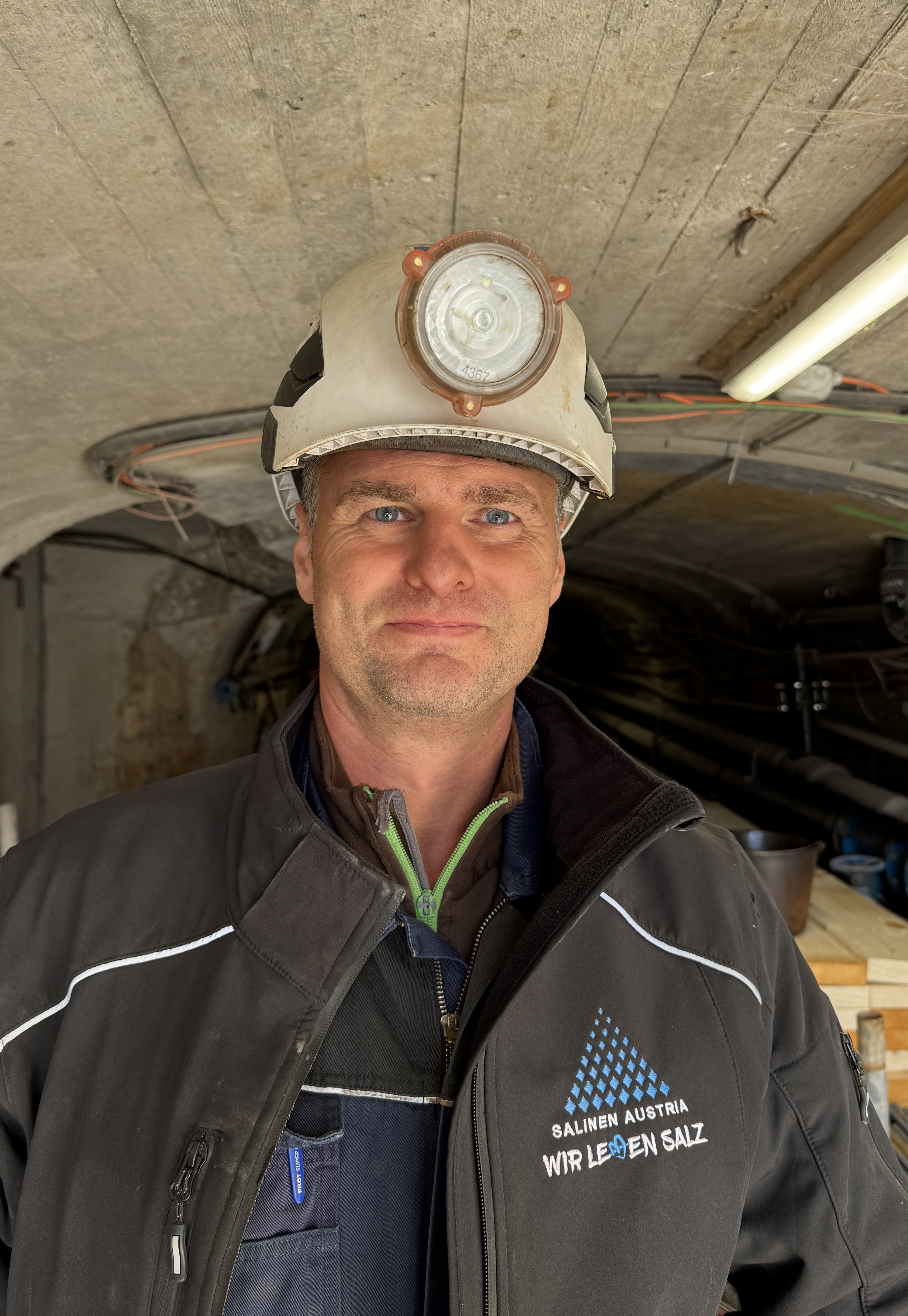
There is plenty to do. Thomas works in maintenance mining. A typical working day for him starts at 5:30 a.m. with a briefing with the shift foreman before he goes underground with the crew at 6:00 a.m. It takes 15 minutes to reach the central shaft. From here they continue on foot to the work site, which can take half an hour. During the break from 10:45 to 11:15 a.m., it's time to rest and warm up in the snack hut. Inside the mountain, the temperature is a constant seven degrees, summer and winter. Then it's back to work until the crew leaves the mountain at 3:20 p.m. At 3:38 p.m. the miners are back in daylight. The second shift runs from 2:30 p.m. to 12:23 a.m., and the shifts rotate weekly.
Safety first
Maintenance mining is all about renovating the tunnels and monitoring and channelling the watercourses to guarantee safety. “You have to know how the water flows, otherwise it gets dangerous,” explains Kainzinger. When opening an old tunnel, you also never know exactly what to expect. “We prepare as well as we can so that we're ready for anything. Because safety comes first in mining,” says miner Thomas. It quickly becomes clear: for him, this is not just a job, but a unique profession. Almost 100 miners work at the Bad Ischl, Hallstatt and Altaussee sites – and most of those who start here stay. For the majority, it's true: once a miner, always a miner.
Living traditions
The strong traditions upheld in mining also contribute to this. To this day, the miners' dance is performed on special occasions to the music of the saltworks brass band. Young miners take part too, as Kainzinger reports. “It's simply part of it.” It proves once again: those who choose this profession are in it heart and soul.