
Joseph Brot
Joseph Weghaupt has a vision for bread.
Visiting the Waldviertel
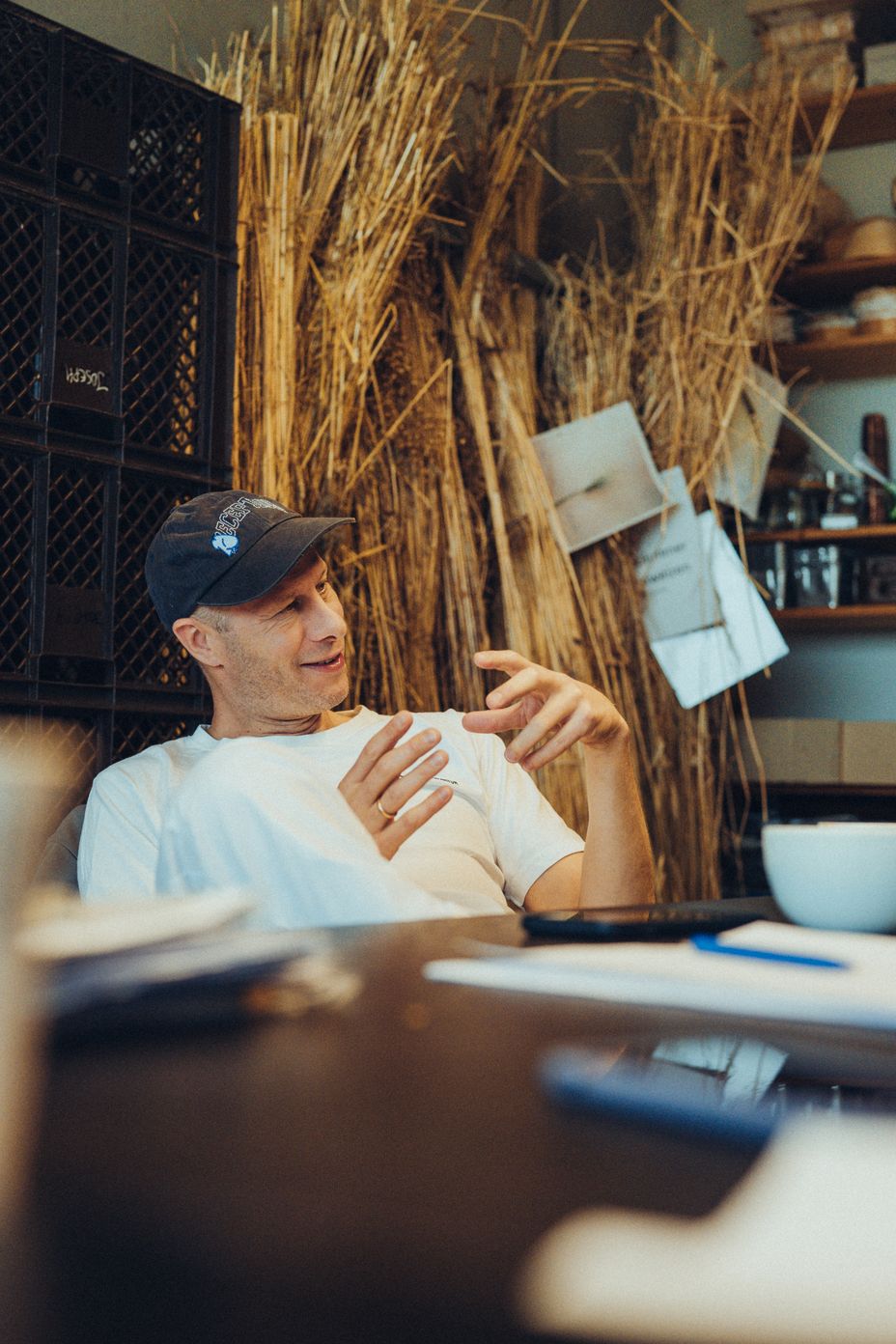
Josef Weghaupt, founder of Joseph Brot, is a critical free spirit who, with great foresight, is re-revolutionising Austria's bakery landscape from the Waldviertel: the trained butcher does not rely on additives, ready-made baking mixes or uniform bake-off rolls.
For his bread, he looks for what is pure, simple and obvious – and in a world of abundance he has found a loyal customer base that is happy to pay a little more for a kilo of bread, as long as the quality is right.
Bread and its social dimensions
For Josef Weghaupt, bread is "the most valuable food in human history". And master bakers have always known: good bread takes time.
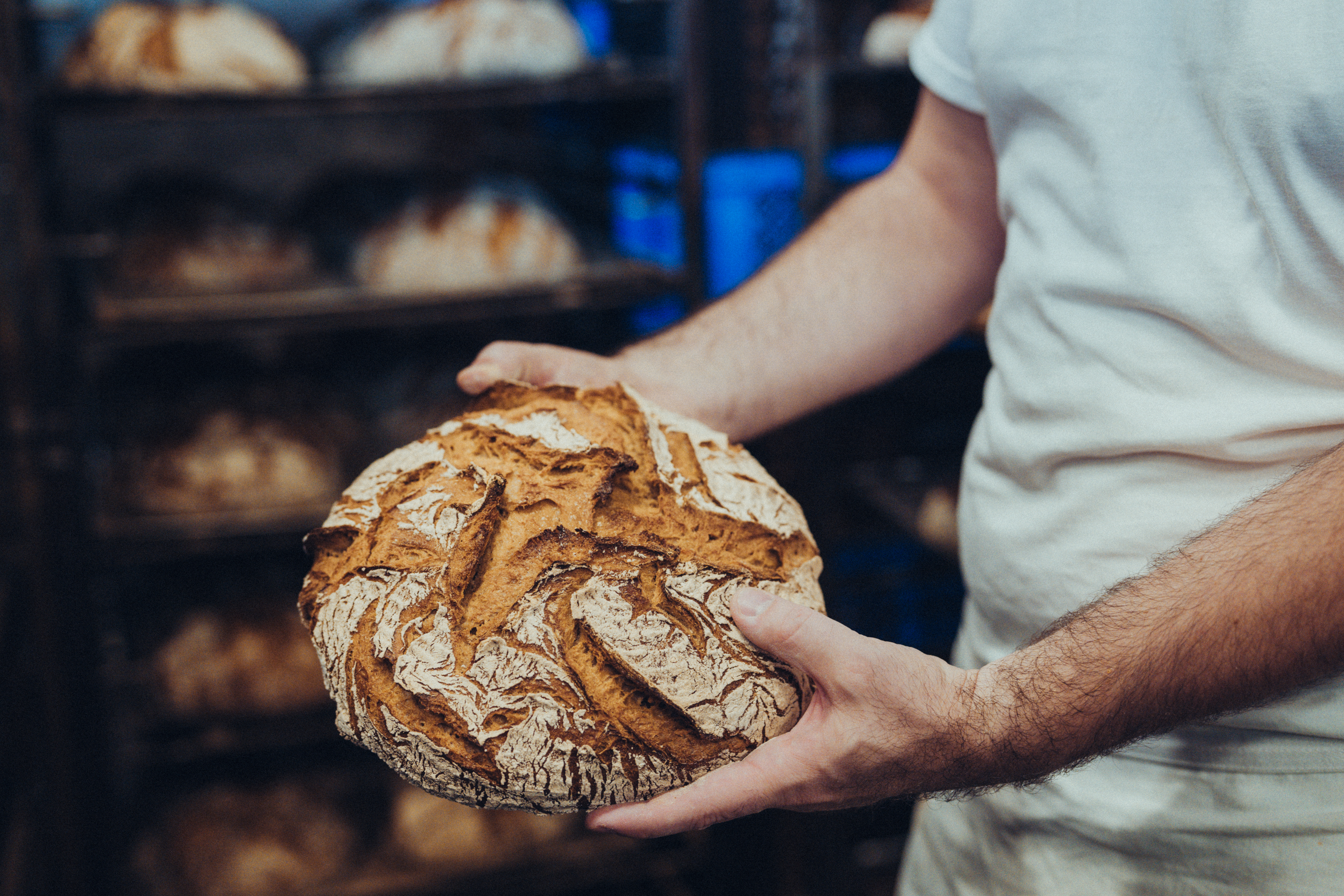
In front of the bread manufactory in the heart of the Waldviertel – a friendly building with lots of wood and glass – stand huge tents. Inside, fermenting pieces of dough are given up to four days to develop their unmistakable aroma – all by themselves and without any artificial additives. For some time now, Josef Weghaupt has been relying on so-called ancient grain varieties for this.
New paths with ancient varieties
In 2009, Martin Allram (a Demeter-certified farmer in the Waldviertel) approached Josef Weghaupt and brought him a few sacks of his recultivated Waldstauden rye: an ancient variety that originated in the so-called Bohemian Massif, to which the Waldviertel also belongs geologically. Josef Weghaupt and his team started their first baking experiments: "And at first we failed gloriously."
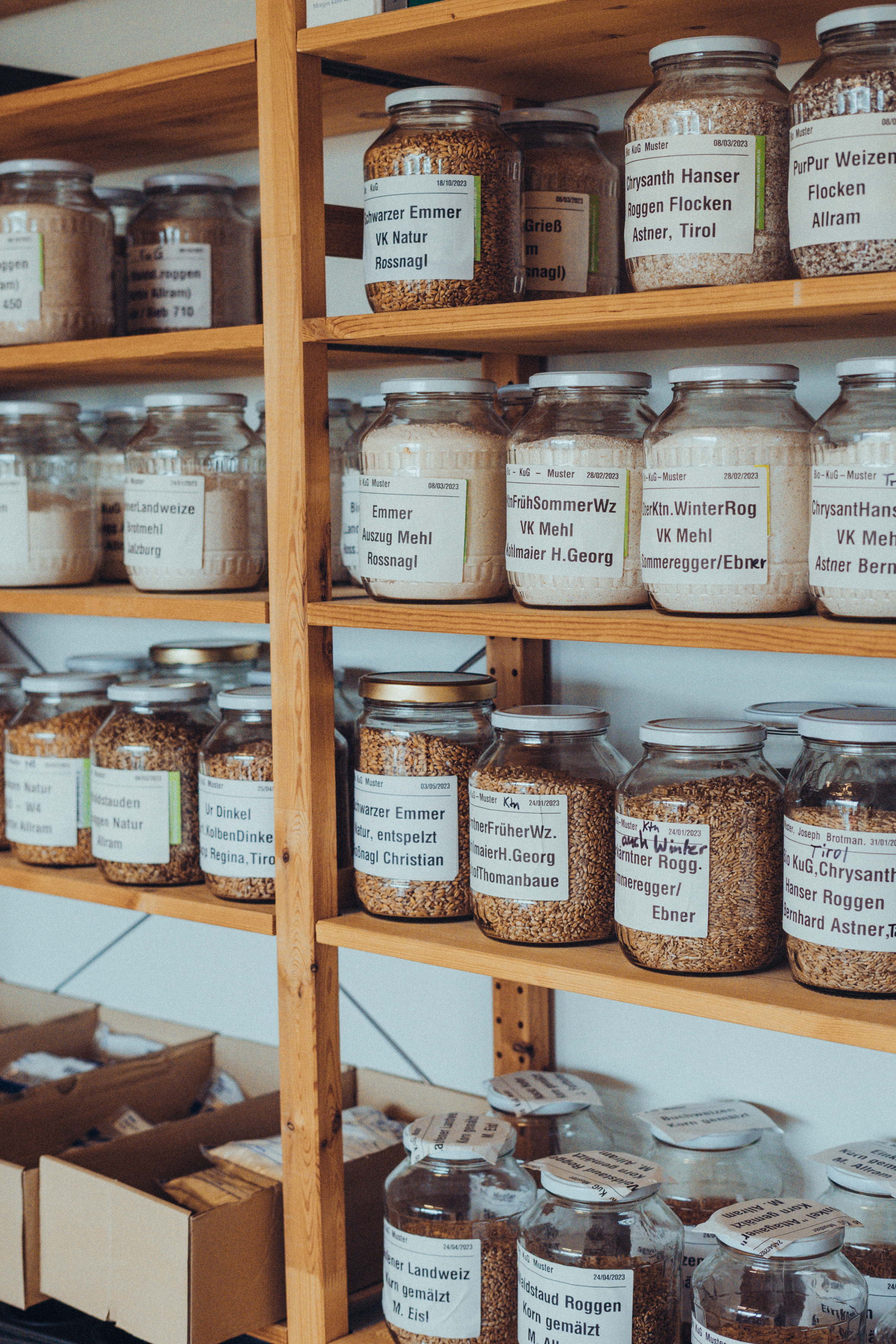 Compared with Waldstauden rye, the grain of ordinary rye is at least two to three times larger; it also has a higher proportion of bran, but a smaller starch body and germ. This is why sourdoughs made with Waldstauden rye turn very sour. Only when summer apple was added to the recipe did the juicy, full-bodied and easily digestible flavour emerge that has since made the bread a bestseller.
Word has spread in the community of organic farmers that Josef Weghaupt and his team like to experiment – and sometimes successfully! New collaborations keep emerging and – most important of all to Josef Weghaupt – partnerships on an equal footing. That is why he does not speak of suppliers, but of partners. "As a matter of principle, we don't buy from traders. We buy exclusively and directly from farmers. It is extremely important to us that our purchases give farmers a perspective and that they, of course, also commit to regenerative agriculture."
The field on our doorstep
However, the collaborations with organic farmers were not the only driving force behind adding bread made from ancient varieties to the range.
When Josef Weghaupt was building his manufactory in the Waldviertel, a field in the meadow opposite had been lying fallow for quite some time. Weghaupt and his team wanted to use it for cultivation and brought Lukas Hampel (a Demeter-certified farmer) on board as an adviser.
After all, the conditions could hardly have been worse: granite soils with little humus and hardly any capacity to store water; on top of that, dry summers and very cold winters.
Josef Weghaupt and his team took over the field in 2015: "We were determined to revitalise the field, so we started building up humus. The basic conditions I mentioned were actually the reason why we turned to ancient varieties:
The combination of old soils and ancient varieties holds enormous potential, especially in view of climate change. We have now been harvesting for two years."
A vision for bread
With his partnerships, Josef Weghaupt above all wants to promote small-scale structures and thus give fresh impetus to slow and sustainable agriculture: "Take Tauern rye, for example, which Peter and Liesi Löcker recultivated over many years. Back in the 1950s, 250 farmers grew Tauern rye on 144 hectares.
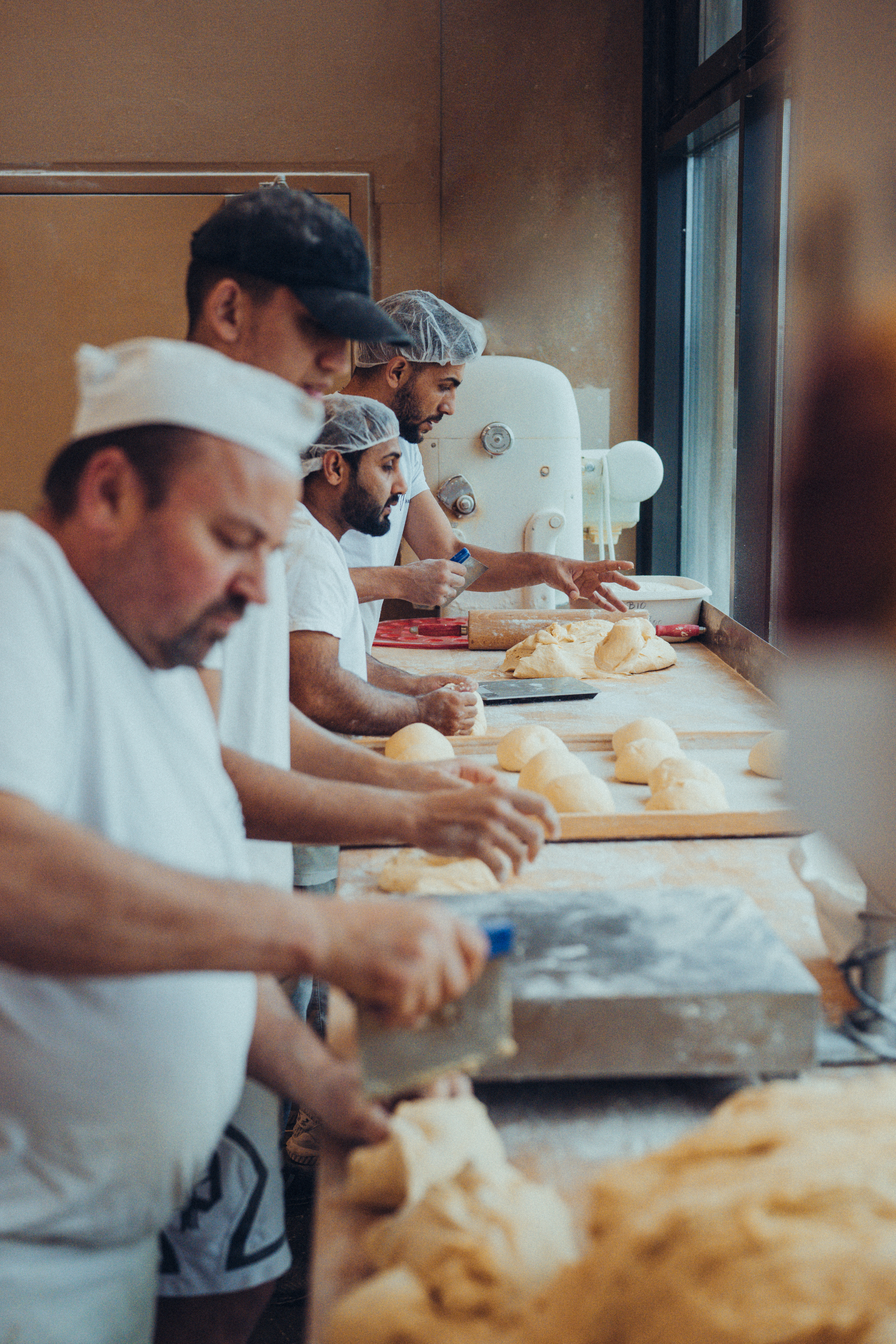 Today we're talking about eight farmers who supply me with 20 tonnes. If we return to ancient varieties, we make a significant contribution to an intact environment and biodiversity. We live diversity. But that only works on a small scale. This is our contribution to a secure circular economy and to greater diversity for people and nature."